

Surat's Farmhouse Belts: Kamrej, Olpad, Dumas and Sevani Compared
Surat has four distinct farmhouse areas and they suit different plans. A look at what each is like, what it costs and who should book where.
Four belts, not one market
Surat is where BookMyFarm started, and it is still the city where we list the most variety — around fifty-six properties across roughly fifteen areas. To someone searching from the city, they can look interchangeable. They are not. The farmhouses cluster into four main belts, each about thirty to fifty minutes out but in different directions, and each with its own character, price range and typical booking. Knowing which one you want narrows a fifty-property search down to about ten.
Kamrej — the established one
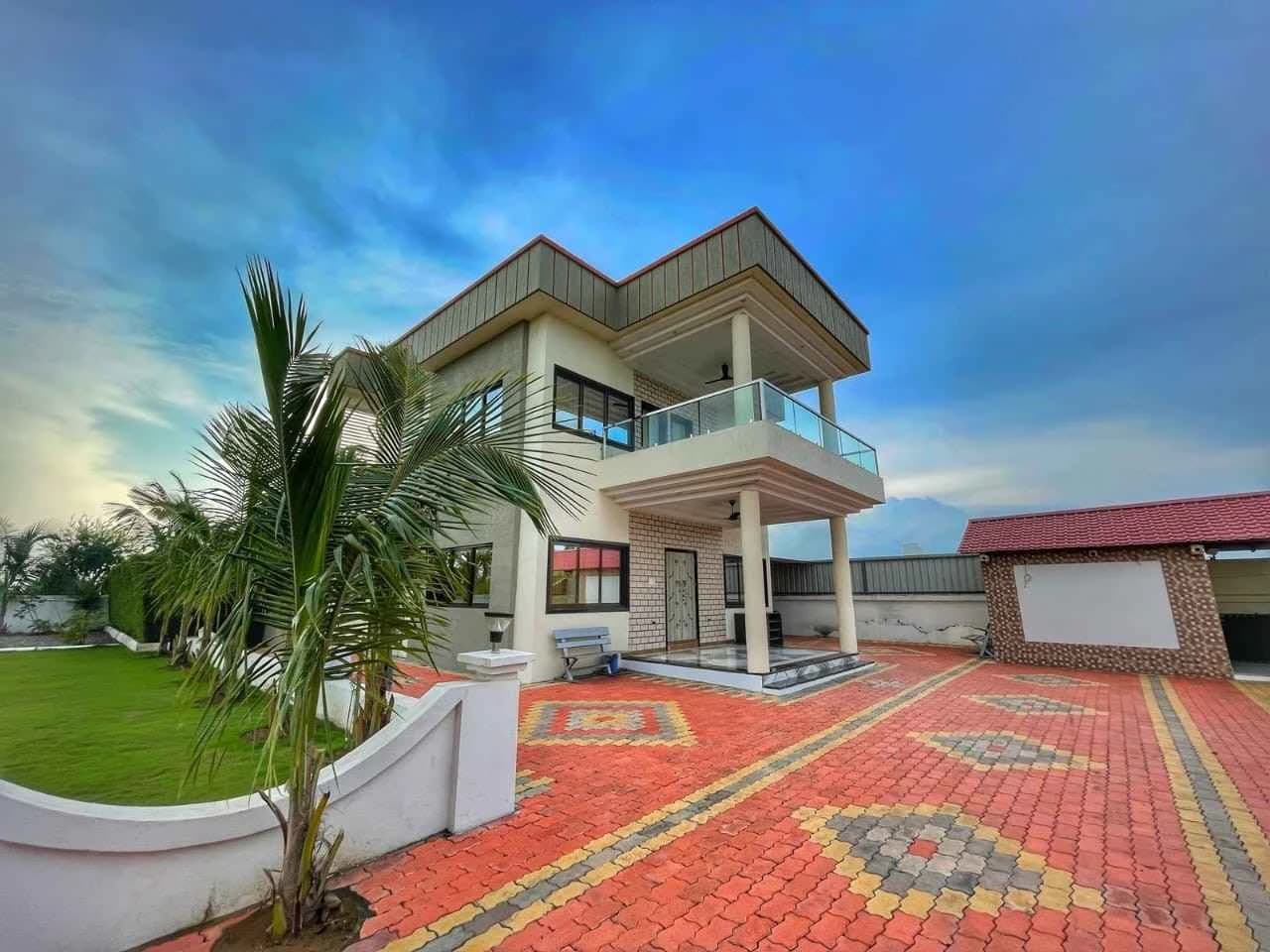
North-east of the city on the Kim–Kamrej side. This is the belt most Surtis think of first, and it has the highest concentration of well-run, well-photographed farmhouses: ten properties, nine of them with a private pool and six with a separate kids' pool — the highest ratio of any Surat area.
It skews towards families and day bookings. Capacities run from twelve up to sixty for day-time groups, and the price band is wide enough that both a modest family lunch and a full party fit. If you are booking for a birthday with children, start here.
Browse farmhouses in Kamrej.
Olpad — smaller, greener, better value
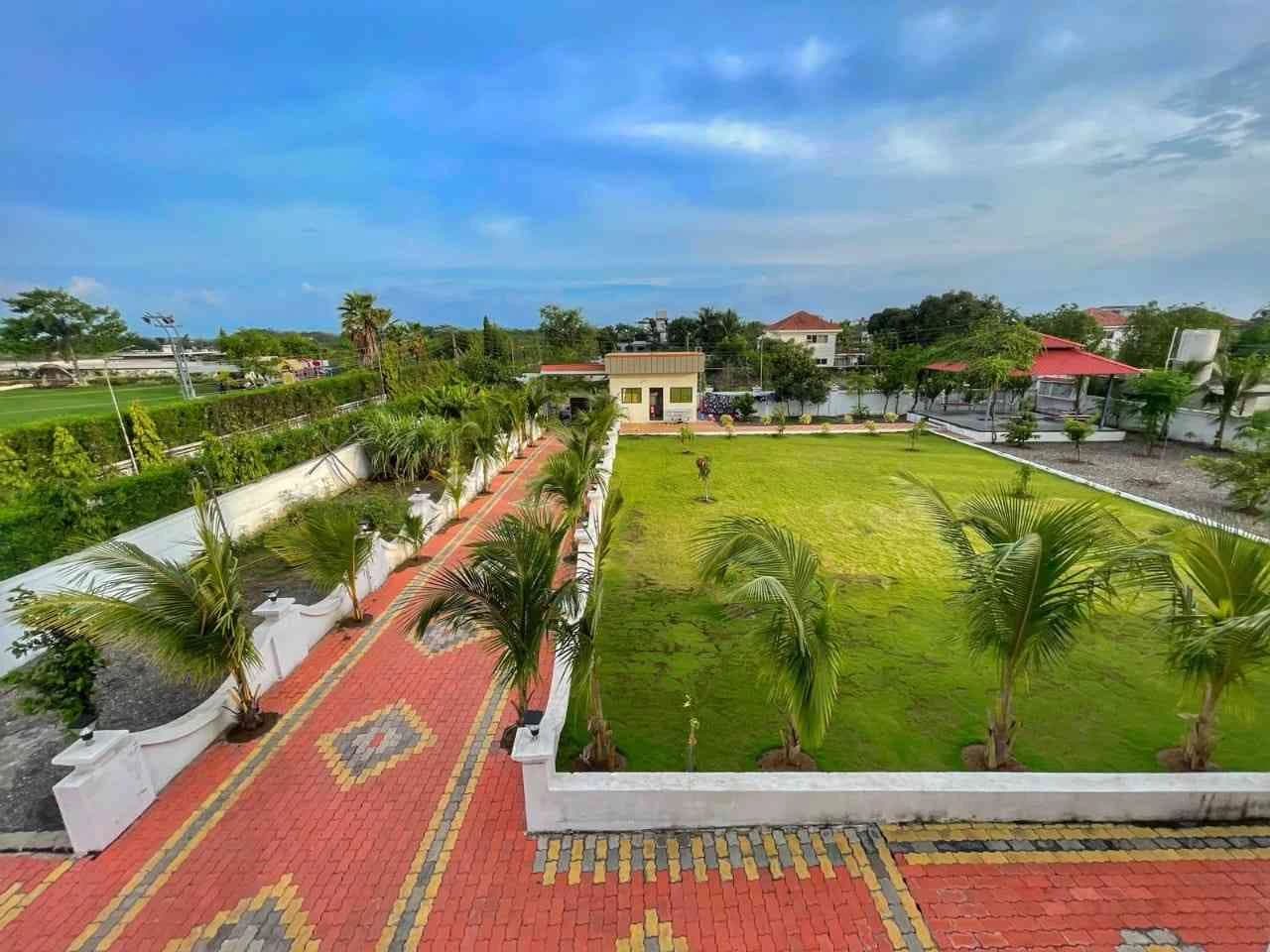
West towards the coast. Five properties, every one with a private pool, and a noticeably lower price band than Kamrej — the range runs from roughly ₹2,800 to ₹8,800. Capacities sit in the twelve-to-twenty bracket, so this is the belt for a mid-sized group rather than a large function.
The properties here tend to be simpler and more genuinely agricultural in feel. Two of them — Glow & Flow and HappyPlay — are good illustrations: large lawns, generous covered pool areas, and outdoor games space, without the polish or the price of a designer villa.
Browse farmhouses in Olpad.
Dumas and New Dandi — the coastal side
South-west, towards the beach. This is two belts that behave as one. Dumas has seven properties and a wider mix than anywhere else in Surat — farmhouses, villas and weekend homes together, with prices spanning from under ₹2,000 to over ₹15,000. New Dandi, just beyond it, is almost entirely villas: six properties, mostly smaller, in the ₹3,200–₹7,400 band, and suited to groups of seven to fifteen.
The draw is obvious — you are close enough to the sea for it to be part of the day. The trade-off is that only one of the six New Dandi properties has a private pool, so if a pool is non-negotiable you will be choosing from a short list.
PartyPatch in Dumas is the larger end of this belt: a 4BHK with a private pool, a gazebo with swing seats, a private lawn and an open terrace, taking up to fifty guests for a day booking and twenty-five overnight.
Sevani — the biggest cluster
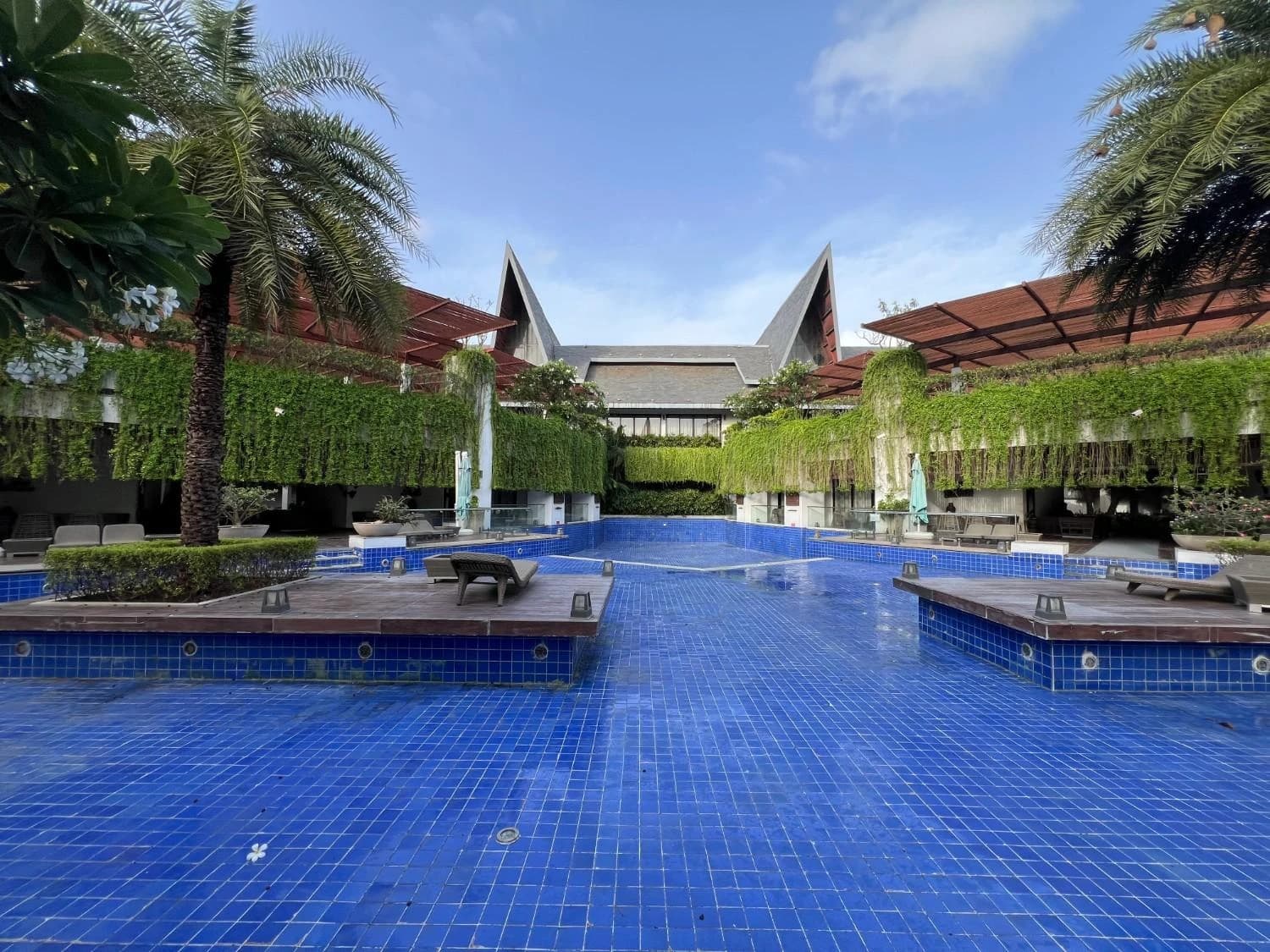
Thirteen properties, more than any other single Surat area, and almost entirely farmhouses. The price range is the widest in the city — from about ₹3,300 to ₹23,000 — which means Sevani is less a "type" of place than a large pool of options. Capacities run to forty.
Ten of the thirteen have a private pool, but only four have a separate kids' pool, which is a meaningful difference from Kamrej if you are booking for young children.
Browse farmhouses in Sevani.
The outliers worth knowing
How to narrow fifty-six properties down to three
The belts above are the first filter. Three more questions usually get you to a shortlist you can actually compare.
What is the day-time number?
Surat's day capacities run from twelve to sixty depending on the property, and they are often several times the overnight figure. If you are planning a lunch for forty, that is the only capacity number that matters, and filtering on bedrooms will hide most of what suits you.
Is there a separate kids' pool?
Twenty-five of the fifty-six Surat properties have one. They are concentrated in Kamrej — six of ten properties — and in Sayan, where all three have one. In Sevani it is only four of thirteen despite Sevani being the largest cluster. If you have young children, that difference is the whole decision.
Covered or open pool?
A Surat-specific question that matters twice a year — through the monsoon, and again from April to June when an open pool is too hot to use in the afternoon. The covered ones are a minority and they are not flagged as such, so it is worth going through the photo set.
Choosing quickly
If you have children under twelve and want a pool they can actually use, Kamrej or Sayan. If you are watching the budget with a group of fifteen, Olpad. If you want the sea in the plan, Dumas or New Dandi. If you want the largest set of options and are willing to filter, Sevani. If the occasion justifies a premium property, Palsana. Across all of them, the two numbers that decide most bookings are the day-time guest limit and whether outside food is allowed — both of which vary property by property and are on every listing.
Start from all Surat properties, or narrow by type: farmhouses, villas and weekend homes. For a specific occasion, try birthday-party farmhouses or large-group properties.
What Surat costs, relative to everywhere else
Surat is the second-largest market on the platform and one of the cheapest. The middle of the range sits around ₹6,300, with the lower quarter near ₹4,700 and the upper quarter around ₹10,000. For comparison, Delhi NCR sits near ₹15,800 and Ahmedabad near ₹13,200.
The reason is supply and distance. Fifty-six properties across fifteen belts, all of them thirty to fifty minutes from a single dense city, competing for the same local weekend crowd. Nobody is flying in; there is no scarcity premium; and the properties compete on price in a way that they do not in markets where inventory is thin.
The practical implication for a Surat booking is that stretching your budget buys a lot more here than it does elsewhere. The gap between a ₹5,000 property and a ₹9,000 property in Kamrej is a genuinely different afternoon; the same ₹4,000 in NCR moves you almost nowhere.
When to book, through the year
Surat's calendar has three tight periods and a lot of slack. Navratri through Diwali — roughly mid-October to mid-November — is the hardest stretch of the year, and the weekend immediately after the garba ends is harder to book than the festival itself. Summer weekends from March to May are the second peak, and this is when the covered pools become genuinely valuable. The winter weekends from late November to February are the best weather of the year and moderately busy. Everything else — the monsoon months, the stretch through August and early September, and most of the period after Sankranti — is comparatively open, and it is when a Kamrej or Sevani property that would be gone in October is available on a week's notice at the weekday rate.